Tahoma.
Since 1875
Five generations of the same family on the same 125 acres, in a sequence that almost ended in the 1970s.
A Nash ancestor signs Williamsburg's founding document. The 125 acres on Grass Hill — the gentle, open slope a ten-minute drive from the center of Northampton — become Nash family land.
For the next hundred years, the hill is farmed the way hills in Hampshire County got farmed: pigs, sheep, dairy cows, draught horses, oxen.
Stanley "Stubby" Nash — Nancy's grandfather — has lived on Adams Road his whole adult life. He's raised pigs, sheep, dairy cows, draught horses, and oxen. His daughter Alice Nash Welcome built her own house on the same road and kept calves and ponies in her barn.
Stanley is the last of the family to actively farm the hill. When his oxen are sold in the 1970s, the land goes quiet. Nobody raises an animal on it for more than thirty years.
Jim and Nancy Forster — married nearly forty-five years, met at Hampshire Regional High School — sit down with their four sons. The land has been in the family almost 130 years at this point. What do they want to do with it?
The sons want it to be a working farm again. Jim's one constraint: he isn't interested in raising animals to slaughter. Alpacas come up. Alpacas it is.
Tahoma.
The first herd comes home in the summer of 2006 — six animals, turned out onto the first five acres Jim and Nancy have cleared of brush and fenced. Stonewalls get rebuilt. A barn goes up. A well gets dug.
The timing looks good. The alpaca market is booming. Jim remembers it plainly:
Then, in 2009, the bubble bursts. Breeding stock stops selling. The farm's business model has to change.
Jim and Nancy join the New England Alpaca Fiber Pool — a cooperative of small alpaca farms that pool their fleece and process it together. Send in your fleece, get back fiber credits, use those credits to stock your farm store with mittens and socks and scarves knit in New England from the combined herd.
Some items in the shop come from pooled U.S. fleece. Some come from Peruvian alpaca fleece that the pool also sources. Jim's take on the latter: "Peru's been doing it for thousands of years."
The farm starts showing up at fall festivals — Garlic & Arts in Orange, Apple Squeeze in Lenox, Berkshire Botanical Gardens' holiday market in Stockbridge, craft fairs across the Connecticut River valley. Retail covers the bills.
COVID shuts down every retail event Jim and Nancy depend on. One of their daughters-in-law rebuilds the farm's website so people can shop online. Jim takes a social-media marketing course through the Hilltown CDC.
And they open their own back porch as a seasonal shop. October through December. Wicker baskets of socks. Christmas decorations. The wooden Grass Hill Alpacas sign out front. A house ten minutes from Northampton — pull into the driveway at 58 Adams Road when the signs are out.
Five Octobers later, the Backporch PacaStop is still there.
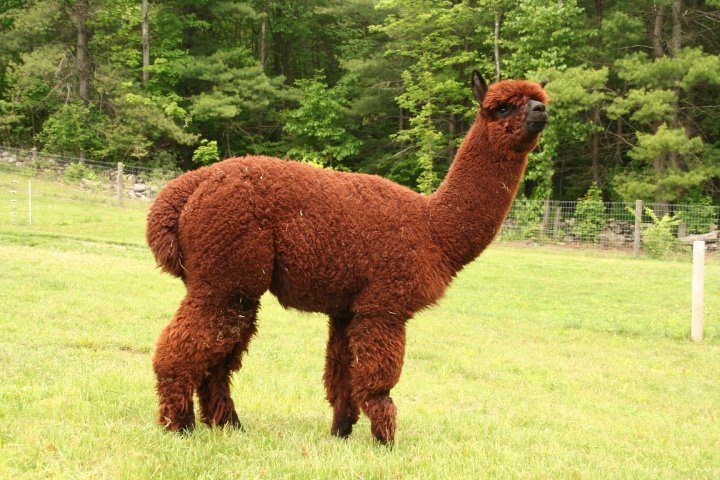
Ten alpacas now. A few goats. Five cleared and fenced acres out of forty. Jim and Nancy stopped breeding in 2012 and gave away six animals. Nancy describes the current herd simply:
Some friendly. Some aloof. Each their own.
The farm is officially a Forster Soil Management livestock-and-pasture demonstration site. They're NOFA members. The brush still gets cleared by the animals. The stonewalls still get rebuilt.
One son plans to raise beef cattle on the property eventually. Jim and Nancy are making plans to pass the land to the next generation — "We're keeping our fingers crossed."
That's five generations. Of the same family. On the same hill.
Love…for the land, for the animals, for family and for friends.
— Jim & Nancy Forster